I have spent years navigating the overwhelming world of infant nutrition, and I want to help you decide between two heavy hitters: Bobbie and ByHeart.
The main intent of this article is to analyze whether Bobbie’s “clean and simple” organic approach or ByHeart’s “clinically-proven” whole milk formula is the better choice for your baby’s development.
I have found that while both brands aim to mimic breast milk, they take very different paths to get there.
You should read this breakdown to understand which canister actually belongs in your nursery based on ingredient safety, digestion, and real-world performance.
Comparison Overview: Bobbie Vs. ByHeart
| Feature | Bobbie Organic (Original) | ByHeart Whole Nutrition |
| Milk Base | Organic Nonfat Milk | Organic Whole Milk |
| Whey:Casein Ratio | 60:40 (Mature Milk Style) | 80:20 (Colostrum Style) |
| Organic Status | USDA & EU Certified Organic | Made with Organic Milk (Not fully certified) |
| DHA Source | Algal Oil (Water Extracted) | Algal Oil (Hexane-Free) |
| Prebiotics | None (in Original version) | GOS (Galacto-oligosaccharides) |
| Key Proteins | Intact Milk Proteins | Alpha-lactalbumin & Lactoferrin |
| Price Point | Premium | Moderate-Premium |
My Journey Through the Formula Fog
I remember the first time I stood in the baby aisle, staring at a wall of blue and yellow cans, feeling like I needed a PhD in chemistry just to feed my child.
I am a person who values simplicity, but when it comes to infant formula, “simple” is rarely the word used by marketing teams.
I noticed immediately that the US market was finally being disrupted by “mom-founded” companies that actually cared about the ingredients I could barely pronounce.
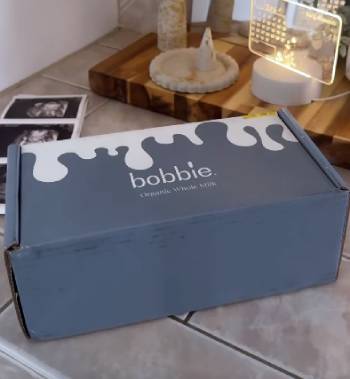
I found Bobbie first, and I was drawn to it because it felt like the European gold standard had finally landed on American soil without the legal gray area of importing cans from overseas.
I realized that Bobbie’s philosophy is all about what they don’t include.
I found that when I mixed my first bottle, the powder dissolved almost instantly without that weird, metallic smell I had noticed in generic brands.
I am someone who obsesses over the “no-no” list, and I was relieved to see zero palm oil, zero corn syrup, and zero soy.
I found that for my baby, who had a sensitive stomach, the 60:40 whey-to-casein ratio made a world of difference in reducing late-night gas and fussiness.
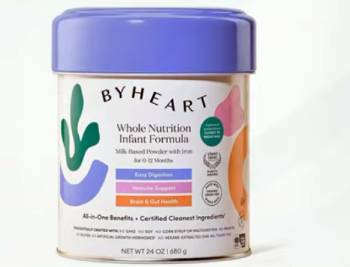
I eventually decided to try ByHeart because I was fascinated by their “farm-to-formula” claim and the fact that they own their entire supply chain.
I realized that the user experience with ByHeart is slightly different because they use whole milk instead of skim.
I found that the formula had a richer, creamier texture that my little one seemed to absolutely guzzle down.
I am consistently impressed by their inclusion of lactoferrin, a protein that supports immune health, which felt like an extra layer of protection during cold and flu season.
I noticed that after switching, the “poop situation” changed slightly; the prebiotics in ByHeart definitely did their job, leading to softer, more consistent stools.
I found that the choice between these two really comes down to whether you prioritize a fully certified organic label or a formula that includes advanced breast milk proteins like alpha-lactalbumin.
I realized that I am the type of parent who loves a subscription that never fails, and both of these brands have mastered the art of door-step delivery.
I found that no matter which way I turned, I was finally feeding my baby something I didn’t have to apologize for.
Maintenance Tips for Your Formula Routine
You should realize that how you handle the formula is just as important as which brand you choose for your baby’s health.
Always using filtered or boiled water that has cooled to room temperature is a vital maintenance tip for preventing unwanted mineral buildup in your baby’s system: I found that tap water can vary too much in quality to be a consistent base.
Washing your hands for a full 20 seconds before touching the scoop or the bottle is a key maintenance tip for keeping the powder sterile: you should notice that the “controversy” with many brands starts with external contamination.
Levelling off each scoop with a clean knife instead of packing it down is an essential maintenance tip for ensuring your baby gets the exact calorie count intended: I found that “packed” scoops can lead to constipation and dehydration.
Storing your open cans in a cool, dry pantry rather than the fridge is a smart maintenance tip to prevent moisture from clumping the powder: you should realize that formula is a dry good and hates humidity.
Writing the date you opened the can on the lid with a permanent marker is a mandatory maintenance tip because most brands must be used within 30 days of opening: I noticed that time flies when you are sleep-deprived, and this prevents you from using “stale” milk.
Swirling the bottle gently instead of shaking it like a cocktail is a helpful maintenance tip for reducing the amount of air bubbles your baby swallows: I found that a “gentle swirl” leads to much less gas later in the night.
Cleaning your bottle nipples with a dedicated brush and replacing them every three months is a crucial maintenance tip for hygiene: you should realize that tiny cracks in the silicone can harbor bacteria.
Keeping a “travel container” pre-measured with powder for diaper bag emergencies is a fundamental maintenance tip for avoiding “hangry” meltdowns in public: I noticed that trying to scoop formula in a moving car is a recipe for disaster.
Discarding any formula that hasn’t been finished within one hour of the start of a feeding is a necessary maintenance tip: I found that bacteria from the baby’s saliva grows rapidly once the bottle has touched their lips.
Checking the expiration date on the bottom of the can before you buy it is a final maintenance tip that many parents forget in the rush: you should realize that even premium brands can sit on a shelf too long.
Pros and Cons of Bobbie
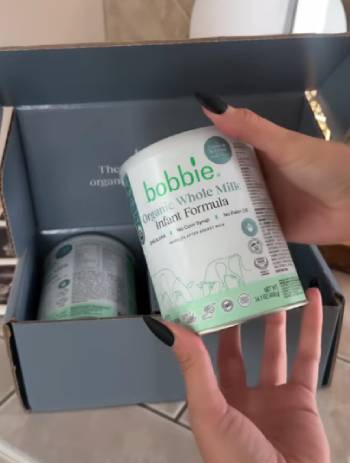
Pros of Bobbie: The Gold Standard for Purity
- Dual Organic Certification for Peace of Mind: It features both USDA Organic and EU Organic standards which are much stricter than basic FDA requirements: I found that this eliminated my anxiety about hidden pesticides or synthetic fertilizers: this results in a product that feels “clean” in a way that very few American brands can match: I noticed that the quality remained consistent across every single batch I ordered.
- Modeled After Mature Breast Milk: It utilizes a 60:40 whey-to-casein ratio that perfectly mimics the composition of breast milk after the first few weeks: I found that my baby’s digestion was significantly smoother than on standard 20:80 formulas: this provides a gentle transition for babies who are moving from nursing to bottles: I realized that this specific ratio is why “Bobbie babies” tend to have fewer issues with constipation.
- Cleanest Ingredient List on the Market: It features a “less is more” approach that excludes controversial ingredients like palm oil, soy, and corn syrup: I found that I didn’t need a dictionary to understand the label: this results in a lower inflammatory load on a developing infant’s system: I noticed that my baby didn’t get that “heavy” or bloated look after a full feed.
- Meets Strict European DHA Levels: It utilizes 20mg of DHA per 100kcal, which is the legal requirement in Europe for brain development but is often ignored by US brands: I found that I didn’t need to supplement with extra drops: this provides a built-in brain boost that I felt good about every morning: I realized that Bobbie was proactive about safety long before it was trendy.
- Excellent Solubility and Prep Speed: It features a fine-grain powder that dissolves quickly in both warm and room-temperature water: I found that I never had to deal with clumpy nipples or “powder pockets” at the bottom of the bottle: this results in a much less stressful 3 AM feeding experience: I noticed that it created very little foam, which meant less swallowed air for the baby.
Cons of Bobbie: Areas for Improvement
- Lack of Prebiotics in the Original Line: It features a very simple recipe, but it misses out on the “good bacteria” support found in many modern formulas: I found that I had to purchase a separate probiotic drop to help with gut health: this results in an extra step and extra cost for parents who want a total gut-health solution: I noticed that babies prone to hard stools might need that extra fiber help.
- Slightly Higher Price Point Per Ounce: It utilizes a premium business model that can be hard on the wallet if you are exclusively formula feeding a hungry infant: I found that my monthly “milk budget” was significantly higher than if I had used a store brand: this provides a barrier for families on a tight budget: I realized that the cost of purity is a literal monthly expense.
- Limited Retail Availability in Emergencies: It features a strong subscription model and a presence in Target, but you won’t find it at your local corner store or every grocery chain: I found myself in a panic once when my shipment was delayed by a holiday: this results in a need for military-level planning to ensure you never run out: I noticed that you can’t just “pop out” to any shop to grab a backup can.
- Uses Nonfat Milk Instead of Whole Milk: It utilizes a skim milk base and adds back fats through a vegetable oil blend: I found that while the oil blend is high quality, it isn’t as “natural” as using whole milk fat: this provides a slightly different nutrient profile compared to brands like ByHeart or Kendamil: I realized that some parents prefer the naturally occurring fats found in whole milk.
Also Read: My Thoughts On Marcel’s Modern Pantry Milk
Pros and Cons of ByHeart
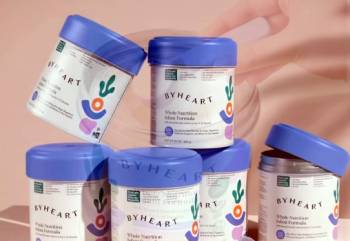
Pros of ByHeart: The Scientific Powerhouse
- Whole Milk Base for Natural Nutrition: It features organic whole milk which preserves the natural milk fat globule membrane (MFGM) linked to brain growth: I found that the formula had a much more “milky” and pleasant taste than the oily flavor of other brands: this results in a calorie-dense feed that keeps babies satisfied for longer: I noticed that the creamy texture seemed more “filling” for my little one.
- Clinically Proven for Less Spit-Up: It utilizes a massive clinical trial to prove that babies on ByHeart had statistically significant reductions in gas and reflux: I found that I went through fewer burp cloths once we made the switch: this provides actual data-backed confidence for parents of “fussy” babies: I realized that the 80:20 whey ratio really does act more like early breast milk.
- Inclusion of Alpha-Lactalbumin and Lactoferrin: It features the two most abundant proteins found in human breast milk to support immunity and iron absorption: I found that this felt like a “bridge” between nature and science: this results in a formula that does more than just fill a belly; it builds an immune system: I noticed that my baby seemed to bounce back quickly from minor daycare sniffles.
- Integrated Prebiotics for Gut Health: It utilizes GOS (Galacto-oligosaccharides) to feed the beneficial bacteria in the infant’s microbiome: I found that my baby’s diapers were much more “nursing-like” in consistency: this provides a built-in solution for digestive regularity: I realized I didn’t need to buy any extra gut health supplements while using ByHeart.
- Full Control Over Manufacturing: It features a “farm-to-formula” model where the company owns the facility where the milk is processed: I found this transparency refreshing in an industry known for outsourcing: this results in a higher level of safety and quality control: I noticed that the brand was very communicative about their sourcing during the national formula shortages.
Cons of ByHeart: The Reality Check
- Controversy and Recent Recall History: It has been involved in a significant recall related to potential bacterial contamination (specifically botulism concerns in late 2025/early 2026): I found that this made me extremely hesitant to trust the “new” facility: this results in a massive hurdle for brand loyalty: I noticed that while the outbreak was declared over, the “fear factor” still lingers in parenting groups.
- Not Fully Certified Organic: It utilizes organic milk, but the final product doesn’t carry the full USDA Organic seal because of certain processing aids or minor ingredients: I found this a bit confusing given their marketing as a “clean” brand: this provides a point of contention for parents who want 100% organic certification: I realized that for some, “mostly organic” isn’t good enough.
- Mixing Issues and Excessive Foaming: It features a whole milk fat that can be more difficult to dissolve in cold water: I found that I had to shake the bottle quite vigorously to get rid of clumps: this results in a lot of air bubbles being trapped in the milk: I noticed that I had to let the bottle sit for a few minutes for the foam to die down before feeding.
- Aggressive Subscription-First Model: It utilizes a website that makes it somewhat difficult to buy just a single can without committing to a recurring shipment: I found the “gated” feel of their store a bit off-putting at first: this provides a friction point for parents who just want to trial the product: I realized that once you are in, it’s convenient, but getting in feels like joining a club.
Also Read: My Thoughts On Mooala Banana Milk
Frequently Asked Questions (FAQs)
In late 2025 and early 2026, ByHeart faced a major recall after an investigation into infant botulism; while the company cooperated with the FDA and the outbreak was declared over in February 2026, it caused significant concern regarding their manufacturing safety protocols.
Yes, many pediatricians recommend Bobbie because it is the only US-made formula that meets European DHA standards and lacks common fillers like corn syrup and palm oil, making it a top choice for “fed is best” supplementation.
As of 2026, Kendamil and Bobbie are frequently tied for the most recommended organic options, while Enfamil and Similac remain the top recommendations for hospital-grade and specialty medical needs.
Khloe Kardashian has publicly shared that she used Kendamil Goat milk formula for her son Tatum to help with digestive issues, while Kylie Jenner previously used HiPP Organic from Europe for her daughter Stormi.
Final Thoughts
I have found that the “best” formula is ultimately the one that your baby can digest without discomfort and that fits your family’s values.
You should buy Bobbie if you want the absolute highest level of organic certification and a simple, proven recipe that has stood the test of time.
I am confident that if you value a “clean label” above all else, Bobbie will make you a very happy parent.
You should realize that ByHeart is a fantastic scientific achievement, but you must be comfortable with their recent manufacturing hurdles before committing to them.
I am hopeful that your little one thrives on whichever bottle you choose, and I am here to help if you want to look at the specific nutrient charts for either brand.