When you are choosing between Birko-Flor and Birkibuc, you are really deciding how you want your Birkenstocks to feel, age, and fit into your daily life.
I have worn both materials extensively, and this article is written to help you decide which one suits you better, not in theory but in real use.
If you are standing where I once stood, confused by material names and marketing terms, this comparison is meant for you.
Birko-Flor Vs. Birkibuc Comparison Table
| Feature | Birko-Flor | Birkibuc |
| Material Type | Synthetic leather alternative | Synthetic nubuck-style material |
| Texture | Smooth or lightly textured | Soft, brushed, suede-like |
| Feel on Skin | Slightly firmer | Softer and more flexible |
| Break-In Time | Short to moderate | Short |
| Durability | High for daily use | Moderate to high |
| Appearance | Clean, polished look | Casual, matte look |
| Maintenance | Easy to clean | Requires gentler care |
| Best For | Everyday wear, work, city use | Casual wear, comfort-first users |
| Price Range | Usually slightly lower | Often slightly higher |
| Vegan Friendly | Yes | Yes |
Understanding Birkenstock Upper Materials From a User Perspective
Before I ever cared about Birko-Flor or Birkibuc, I only cared about comfort.
Once you wear Birkenstocks long enough, you realize the upper material affects far more than looks.
It affects how fast the sandal breaks in, how it feels against bare skin, how it reacts to heat, sweat, and daily movement.
Both Birko-Flor and Birkibuc are synthetic materials developed by Birkenstock to mimic leather while remaining vegan-friendly and affordable.
That sounds simple, but in real life, they behave very differently.
When I first switched from leather to synthetic Birkenstocks, I was skeptical.
I expected stiffness, discomfort, and that plastic-like feel.
What surprised me was how intentionally designed both materials are.
They are not cheap substitutes.
They are purpose-built alternatives with distinct personalities.
Understanding those personalities is what helps you choose confidently.
What Birko-Flor Feels Like in Real Life
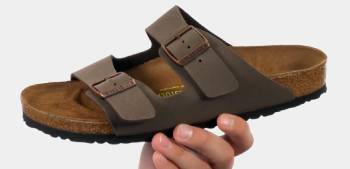
Birko-Flor is the material I reach for when I want my sandals to look clean and structured.
The surface is smooth, sometimes slightly textured, and it holds its shape well throughout the day.
When you first put them on, Birko-Flor feels firm but not harsh.
It does not collapse or wrinkle easily, which gives the sandal a more polished appearance.
Over time, it softens just enough to move with your foot while still maintaining structure.
I noticed Birko-Flor performs especially well in warmer weather.
It does not absorb moisture easily, which means sweat does not linger.
That makes it feel fresher during long walks or hot days.
From a durability standpoint, Birko-Flor handles friction very well.
Straps do not stretch excessively, and the surface resists scuffing better than I expected.
If you are someone who wears the same pair daily, this matters more than you might think.
Birko-Flor also holds color extremely well.
Months later, the sandal still looks close to new with minimal care.
What Birkibuc Feels Like in Daily Wear
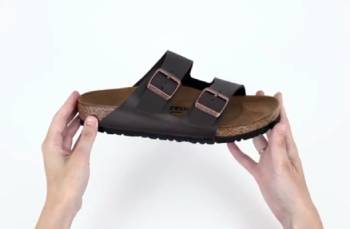
Birkibuc feels completely different the moment you touch it.
It has a soft, brushed finish that resembles nubuck leather.
When I first wore Birkibuc Birkenstocks, the comfort was immediate.
The straps flex naturally with foot movement, which reduces pressure points.
This makes Birkibuc ideal if you have sensitive skin or dislike stiff uppers.
The downside of softness is that Birkibuc shows wear sooner.
It can develop creases and darkened areas, especially in high-friction zones.
For me, that aging looks casual rather than sloppy.
If you like a lived-in look, Birkibuc ages gracefully in its own way.
Birkibuc does absorb more moisture than Birko-Flor.
On very hot days, you may notice sweat marks, but they usually fade as the material dries.
This material feels more forgiving during long periods of standing or walking.
If comfort is your top priority, Birkibuc delivers a softer experience.
Pros and Cons of Birko-Flor:
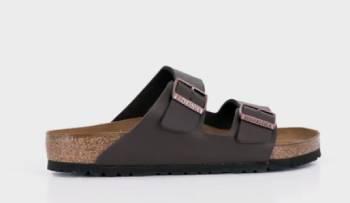
Pros:
- Highly durable synthetic material that resists cracking and peeling over time.
- Smooth surface makes it easy to clean with minimal effort.
- Maintains structure and shape even with daily wear.
- Less moisture absorption keeps feet feeling drier.
- Offers a polished, versatile look suitable for work and casual wear.
- Vegan-friendly alternative to leather.
- Typically more affordable than natural leather options.
Cons:
- Slightly firmer feel may require a short break-in period.
- Less flexible than Birkibuc during initial wear.
- Can feel warm if worn tightly in very hot climates.
- Lacks the soft, suede-like aesthetic some users prefer.
Pros and Cons of Birkibuc:
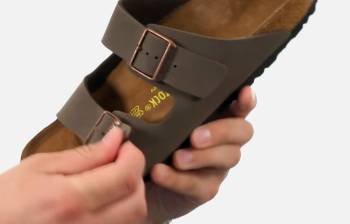
Pros:
- Soft, nubuck-like texture feels gentle against the skin.
- Flexible straps reduce pressure and friction.
- Comfortable right out of the box.
- Casual, relaxed appearance suits everyday wear.
- Vegan-friendly and leather-free.
- Adapts easily to foot movement.
Cons:
- Shows signs of wear more quickly than Birko-Flor.
- Requires gentler cleaning to avoid surface damage.
- Absorbs moisture more easily.
- May lose its fresh appearance faster with heavy use.
Comfort and Break-In Experience Compared
Comfort is where most people, including you and me, feel the difference between Birko-Flor and Birkibuc almost instantly.
When I wear Birko-Flor, the initial feel is structured and slightly firm, especially around the straps.
This firmness is not uncomfortable, but it does remind you that the material needs a short adjustment period.
After a few days of consistent wear, Birko-Flor softens just enough to move naturally with your foot while still holding everything securely in place.
Birkibuc, on the other hand, feels welcoming from the first step.
The soft, nubuck-like surface flexes immediately, which reduces friction and pressure points.
If you are someone with sensitive skin or you dislike any stiffness near the top of your foot, Birkibuc feels easier to live with.
However, that softness also means less resistance over time.
Birko-Flor eventually feels more supportive during long walks, while Birkibuc prioritizes short-term comfort and ease.
Also Read: Comparison Of Autenti Sandals Vs. Birkenstock
Which Material Works Better for Different Lifestyles
When I think about choosing between Birko-Flor and Birkibuc, lifestyle becomes the deciding factor more than technical specifications.
If you are someone who walks a lot, commutes daily, or relies on one main pair of sandals for most of the year, Birko-Flor feels like the safer choice.
Its structured surface holds up well against repeated friction, and it does not lose its shape even when worn for long hours.
I find Birko-Flor especially reliable for travel, where shoes are exposed to heat, long walks, and unpredictable conditions.
It also works better if you prefer footwear that still looks presentable after months of use.
Birkibuc fits a different rhythm of life.
If your days are more relaxed, with shorter walks and a focus on comfort, Birkibuc feels incredibly accommodating.
The soft straps adjust quickly to foot movement, which makes them ideal for home wear, casual outings, or warm-weather lounging.
I often reach for Birkibuc on days when I know I will be on my feet but not necessarily walking long distances.
For people who value comfort over durability, or who enjoy a naturally worn-in look, Birkibuc blends effortlessly into daily routines.
Ultimately, understanding how you live makes this choice feel obvious rather than confusing.
Durability and Longevity in Everyday Use
When durability becomes part of the conversation, Birko-Flor starts to pull ahead in a noticeable way.
I have worn Birko-Flor sandals for extended daily use, and they hold their shape impressively well.
The straps resist stretching, and the surface does not show scuffing or discoloration easily.
This makes Birko-Flor a strong option if you walk a lot, commute daily, or rely on one pair as your main footwear.
Birkibuc is durable, but it tells a different story over time.
Because of its softer texture, it develops creases and wear patterns more quickly.
Some people enjoy that broken-in, casual look, while others prefer a cleaner appearance.
In my experience, Birkibuc still lasts well, but it looks used sooner.
If longevity and appearance retention matter to you, Birko-Flor feels more dependable in the long run.
Style and Versatility in Real Life
Style plays a bigger role in this choice than most people expect.
Birko-Flor has a smoother, more refined surface that works well in varied settings.
I feel comfortable wearing Birko-Flor sandals with jeans, chinos, and even semi-casual outfits without feeling underdressed.
They look intentional and structured, which helps them blend into everyday routines beyond leisure.
Birkibuc leans more relaxed and expressive.
Its matte, brushed finish gives off a softer, laid-back vibe that pairs naturally with shorts, casual dresses, and summer wear.
When I wear Birkibuc, the look feels effortless rather than polished.
That can be a positive or a limitation depending on your lifestyle.
If your wardrobe is casual and comfort-focused, Birkibuc fits seamlessly.
If you want one pair that transitions easily between settings, Birko-Flor offers broader versatility.
Price and Value Perspective
From a value standpoint, both Birko-Flor and Birkibuc make sense, but they justify their price in different ways.
Birko-Flor often costs slightly less, and that lower price feels justified by its durability and easy maintenance.
I find myself replacing Birko-Flor sandals less frequently, which increases their long-term value.
They stay visually presentable longer, which matters if you prefer a cleaner look.
Birkibuc sometimes comes at a slightly higher price due to its texture and comfort appeal.
What you pay for with Birkibuc is immediate softness and a more natural feel against the skin.
If you value comfort over longevity, the cost feels reasonable.
In my experience, Birko-Flor delivers better value for heavy or daily use.
Birkibuc offers better value if comfort and casual style are your top priorities.
Also Read: My Thoughts On Dr. Martens Voss II Sandals
Frequently Asked Questions (FAQs)
Neither is universally better. Birko-Flor is more durable, while Birkibuc is softer and more comfortable initially.
Birko-Flor is a synthetic, vegan alternative that is lighter, easier to clean, and more affordable than leather.
Birkibuc is a synthetic nubuck-style material designed to mimic the softness and look of suede.
The classic cork-latex footbed is preferred by most users for long-term support and durability.
Final Thoughts
If you are choosing between Birko-Flor and Birkibuc, the right answer depends on how you live and walk every day.
I reach for Birko-Flor when I want durability and structure, and Birkibuc when comfort is my top priority.
Now that you understand how each material behaves, you can choose confidently based on your needs, not guesswork.