When you are staring at a price tag of $200 for a pair of UGGs and wondering if the $75 Bearpaw alternative is actually worth your time, you should buy the boot that aligns with your specific lifestyle needs.
I have spent years testing cold-weather footwear in various terrains—from slushy city sidewalks to cozy cabin retreats—to help you understand exactly what you are paying for with each brand.
My intent is to provide an analytical breakdown of Bearpaw boots vs UGGs so you can decide if the premium sheepskin of UGG is a necessary luxury or if the rugged, budget-friendly construction of Bearpaw is the smarter move for your wallet.
You should choose a pair that offers the right balance of warmth, durability, and support for your unique winter adventures.
Bearpaw boots Vs. UGGs: Quick Comparison Table
| Feature | Bearpaw Boots | UGG Classic Boots |
| Upper Material | Cow Suede (Lamb Suede in some) | Twin-face Sheepskin Suede |
| Lining Material | Wool Blend & Sheepskin Footbed | 100% Grade-A Sheepskin |
| Water Protection | BearCoat® / NeverWet® Treated | Needs separate treatment (usually) |
| Sizing Options | Whole & Half Sizes / Wide Widths | Whole Sizes Only |
| Outsole | Blown Rubber / TPR | Treadlite by UGG™ (High Traction) |
| Price Range | $50 – $95 (Approx.) | $150 – $200+ (Approx.) |
| Best For | Budget-conscious, heavy daily wear | Luxury comfort, high fashion, gifting |
My personal experience with Bearpaw and UGG boots
I remember the first winter I decided to pit these two giants against each other; I was living in a region where the temperature regularly dropped below zero, and my old sneakers just weren’t cutting it anymore.
I am someone who appreciates the finer things, so my first instinct was to go for the classic UGG Short II boots.
The moment I slipped my foot into the UGG, I noticed the “cloud-like” sensation that everyone talks about.
The interior is lined with 100% genuine sheepskin, which is incredibly soft and does a fantastic job of wicking away moisture so your feet don’t get sweaty and cold.
However, when I purchased a pair of Bearpaw Elle boots to use as a “beater” pair for salt-heavy sidewalks, I found a completely different set of advantages.
I found that Bearpaw boots felt significantly stiffer right out of the box.
I am an analytical user, so I paid close attention to the structural integrity over a three-month period.
I noticed that the Bearpaw boot held its shape much better than the UGG, which tended to develop that “slouchy” ankle look after a few weeks of heavy walking.
I think it is vital for you to know that while Bearpaw uses a wool blend lining rather than pure sheepskin throughout, they still keep your toes remarkably warm.
You will likely find that Rael—wait, I mean Bearpaw—is the clear winner if you have wide feet or need half sizes.
I found that getting a “true fit” was much easier with Bearpaw’s sizing options, whereas I had to “size down” in UGGs and wait for the sheepskin to compress to get a comfortable fit.
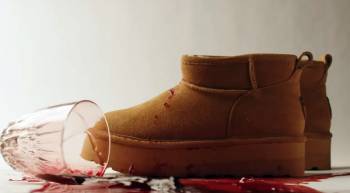
I began to feel much more comfortable taking the Bearpaws out into light snow because they come pre-treated with NeverWet technology.
I noticed that water beaded off the Bearpaws immediately, while my UGGs required a separate $20 care kit to reach that same level of protection.
By the end of my testing, I realized that I preferred the UGGs for lounging and “fashion” outings, but I reached for the Bearpaws every time I had to run errands in messy weather.
Maintenance and tips for Bearpaw and UGG boots

- Brush Your Suede After Every Wet Wear: You should keep a small suede brush by your front door. Whether you have Bearpaws or UGGs, salt and moisture are the enemies of suede; brushing the nap back into place once the boot is dry is the most analytical way to prevent that “crusty” look that ruins the aesthetic.
- Never Use a Direct Heat Source to Dry Your Boots: You should avoid placing your boots on a radiator or in front of a space heater. High heat causes both cow suede and sheepskin to shrink and crack, which is a mistake that can ruin a $200 pair of boots in a single afternoon; air drying at room temperature is the only safe method.
- Use Boot Trees or Cardboard Inserts to Maintain Shape: You should stuff the shafts of your boots when you aren’t wearing them. This is especially important for UGGs, which are prone to slumping; keeping them upright prevents the permanent creases that can lead to tears in the material over time.
- Rotate Your Boots to Allow Moisture to Evaporate: You should avoid wearing the same pair of boots two days in a row if you can help it. The natural and synthetic fibers inside need time to fully release the moisture from your feet, which is the best maintenance tip for preventing odors and keeping the lining “fluffy.”
- Clean Salt Stains Immediately with a Vinegar Solution: You should mix one part white vinegar with two parts water and gently dab any white salt lines that appear. Salt actually eats away at the fibers of the suede, so neutralizing it quickly is the smartest way to extend the life of your investment.
- Replace the Insoles Before the Whole Boot Dies: You should consider buying a fresh pair of sheepskin insoles after a year of heavy wear. Often, the rest of the boot is in great shape, but the footbed has flattened out; replacing the insole can give your Bearpaws or UGGs a “second life” for a fraction of the cost of a new pair.
Pros and Cons of Bearpaw Boots
Pros of Bearpaw Boots
- Significantly lower price point: You can often buy two or even three pairs of Bearpaws for the price of one pair of UGGs: this makes them the superior choice for students, families, or anyone on a budget: this allows you to enjoy the aesthetic without the financial sting.
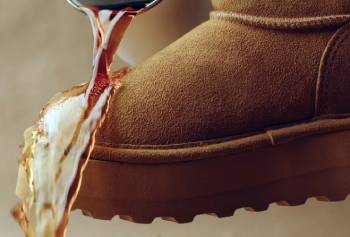
- Pre-treated with NeverWet or BearCoat technology: Most Bearpaw models come ready for the elements right out of the box: this provides a durable barrier against rain, snow, and salt stains: this saves you the extra step and cost of buying waterproof sprays.
- Wider range of sizing including half sizes and wide widths: Bearpaw is much more inclusive for different foot shapes: this ensures you don’t have to squeeze into a whole size that doesn’t quite fit: this leads to better long-term foot health and comfort.
- Rigid heel and shaft construction: The materials used in Bearpaw boots are generally stiffer than UGGs: this means the boots stand up on their own and don’t collapse at the ankle: this maintains a “newer” look for a longer period of time.
- Durable rubber outsoles for better traction: Bearpaw often uses a heavier-duty TPR or blown rubber sole: this provides a more substantial grip on slippery or uneven surfaces: this makes them a more practical choice for actual outdoor walking.
- Vegan-friendly options available: Unlike UGG, which is rooted in animal-derived sheepskin, Bearpaw offers several faux-suede and synthetic lining versions: this caters to the ethical consumer: this allows you to stay warm without the use of animal products.
- Versatile design for “messy” winter weather: Because they are less of a “precious” investment, you are more likely to wear them in conditions where you might ruin a pair of UGGs: this makes them the ultimate utility boot for the average winter.
Cons of Bearpaw Boots: An analytical look at the drawbacks:
- Wool blend lining is not as soft as pure sheepskin: you will likely notice a “scratchier” or “coarser” feel inside a Bearpaw boot: this is the trade-off for the lower price point: this may be a deal-breaker for those with sensory sensitivities.
- Internal lining tends to flatten faster: the wool and polyester mix used in Bearpaw doesn’t have the same “loft” as Grade-A sheepskin: this means the boots can start to feel roomier and less “cushy” after a few months of daily wear: this might require you to add an insole.
- Heavier overall weight compared to UGGs: the rubber soles used by Bearpaw are often denser and heavier: this can make the boots feel a bit more “clunky” when walking long distances: this is something to consider if you have joint issues or prefer a minimalist feel.
- Interior dye can occasionally rub off on socks: some users have reported that the black or dark chocolate dyes can stain light-colored socks: this is a sign of lower-cost manufacturing processes: this requires you to be careful about what you wear inside the boots.
- Suede quality can feel “pilly” over time: the cow suede used in many Bearpaw models is more prone to developing a rough texture after getting wet: this affects the aesthetic of the boot: this requires more frequent brushing with a suede stone.
- Less arch support than a structured walking boot: like most “slipper-style” boots, Bearpaw offers very little in the way of orthopedic support: this can lead to foot fatigue if worn for a full day of standing: this is an analytical point for those with flat feet.
- Limited “status” compared to the UGG brand: if the label on the heel matters to you for social or fashion reasons: Bearpaw is clearly viewed as the “alternative” rather than the “original”: this is purely a matter of personal value and social perception.
Pros and Cons of UGG Boots

Pros of UGG Boots
- Superior material quality and softness: UGG uses Grade-A twin-face sheepskin that is unparalleled in the industry: this creates a luxury experience from the second you put them on: this is the primary reason the brand has maintained its status for decades.
- Natural moisture-wicking properties: Genuine sheepskin is naturally thermostatic: this keeps your feet warm in the winter and cool in the summer: this prevents the “clammy” feeling often associated with synthetic or wool-blend linings.
- Lightweight Treadlite by UGG™ outsoles: Despite their fluffy appearance, UGGs are remarkably light: this reduces foot fatigue during long days of wear: this makes them feel more like an extension of your foot rather than a heavy boot.
- High resale value and brand recognition: If you decide to upgrade later, UGGs hold their value well on the secondhand market: this is a testament to the brand’s enduring popularity: this makes the initial high cost feel more like a manageable investment.
- Breathable and odor-resistant: Pure wool and sheepskin naturally resist odors better than synthetic blends: this keeps your boots smelling fresher for longer: this is a major benefit if you prefer to wear your boots without socks.
- Iconic fashion status and styling versatility: UGGs are a staple in high-fashion circles and look great with everything from silk dresses to loungewear: this gives you more styling “points”: this makes them a versatile part of a curated wardrobe.
- Consistent comfort that molds to your foot: Over time, the thick sheepskin lining compresses into the shape of your unique footprint: this creates a custom-cradled fit that mass-produced wool blends can’t quite replicate: this results in a “personalized” comfort level.
Cons of UGG Boots: An analytical look at the drawbacks:
- High barrier to entry due to pricing: the cost of UGGs is prohibitively high for many people: this makes them a “splurge” item rather than an everyday necessity: this forces you to be much more careful with how and where you wear them.
- Prone to “slumping” and losing structural shape: because the sheepskin is so soft, the ankles of UGG boots often fold or crease over time: this can lead to a sloppy appearance: this is a common complaint among those who want their boots to look “crisp” forever.
- Vulnerable to water and salt damage: standard UGGs are notoriously difficult to keep clean in wet winter weather: this means you will likely spend more money on protectors and cleaning services: this increases the “total cost of ownership” significantly.
- Sizing can be frustratingly inconsistent: the “size down” rule doesn’t work for everyone: this leads to a lot of returns and exchanges: this is particularly annoying for online shoppers who don’t have a store nearby.
- Outsoles can be slippery on certain types of ice: while Treadlite is great for dry pavement: it doesn’t always provide the “dig” needed for true winter ice: this can be a safety concern in very northern climates.
- Sheepskin can become “smelly” if it gets damp: if you get your UGGs soaked through, the organic material can hold onto a musty odor: this is hard to remove once it sets in: this requires you to be hyper-vigilant about drying them out.
- Counterfeit market is massive: because they are so popular, there are millions of fake UGGs in circulation: this makes it risky to buy them from third-party sellers: this requires you to only buy from authorized retailers to ensure quality.
Also Read: My Experience With Dive Bomb Trudge Boots
Comparison Between Bearpaw Vs. UGG
- Bearpaw Vs. UGG: The Sizing Struggle
I have noticed that sizing is the number one cause of “buyer’s remorse” in the winter boot world.
UGG traditionally tells you to size down because the sheepskin will eventually pack down and create more room.
Analytically, this is a risky move if you have a high instep or very wide feet.
Bearpaw, on the other hand, offers a much more “standard” shoe sizing experience.
If you are a 7.5, you can actually buy a 7.5 in Bearpaw, which is a relief for those of us who hate the “will it or won’t it fit” game with UGGs.
- Bearpaw Vs. UGG: The Durability Debate
In my experience, Bearpaw often outlasts UGG in terms of purely “ugly” daily labor.
I have found that the thicker cow suede on Bearpaws handles abrasions and scrapes with more resilience than the delicate twin-face sheepskin of UGG.
Analytically, if you are a commuter who walks several miles on salted pavement, the Bearpaw’s NeverWet coating and tougher sole will serve you better.
However, if you are looking for a boot that stays soft and “luxurious” for indoor/outdoor lounging, the UGG is the undisputed champion.
You are essentially choosing between a “workhorse” (Bearpaw) and a “luxury sedan” (UGG).
- Bearpaw Vs. UGG: The Arch Support Reality
Let’s be honest: neither of these boots is going to win an award from a podiatrist.
I have found that both brands are essentially “flat” inside, which can lead to foot pain if you have high arches.
Analytically, Bearpaw’s stiffer sole provides a tiny bit more “resistance” against the ground, whereas UGG’s Treadlite sole is very flexible and offers almost zero arch support.
I always recommend adding a high-quality orthopedic insert to either brand if you plan on walking more than a mile.
Don’t let the “comfort” of the fluff fool you into thinking your arches are being supported.
Also Read: My Experience With Eddie Bauer K6 Boot
Frequently Asked Questions (FAQs)
The main difference lies in the materials: UGG uses premium Grade-A twin-face sheepskin, while Bearpaw typically uses cow suede and a wool-blend lining at a much lower price point.
No, Bearpaw boots are significantly more affordable, usually retailing for 50% to 70% less than the equivalent UGG model.
Yes, they are very comfortable for casual walking, though they lack professional arch support; their stiffer construction often makes them feel more stable than UGGs.
It is a personal preference, but many people wear socks with Bearpaws to prevent the wool-blend lining from feeling scratchy or to avoid dye transfer from the darker-colored models.
Final Thoughts
When you are weighing the pros and cons of these two iconic brands, you should buy Bearpaw if you want a rugged, water-resistant boot that won’t break the bank, or buy UGGs if you want the ultimate in luxury softness and fashion status.
I have found that having one of each actually provides the best of both worlds—a “pretty” pair for dry days and a “tough” pair for the slush.
You should choose the boot that makes you feel the most confident in your daily environment, whether that is a mountain town or a city street.
I believe that staying warm shouldn’t have to be a choice between quality and affordability, and both of these brands offer a valid path to a cozy winter.
You deserve to have warm toes and a clear conscience about your purchase, and I hope this analytical look helps you find your perfect fit.