I have spent years testing drugstore skincare to help you find the ultimate moisture champion, and today I am finally putting Aveeno and Lubriderm head-to-head.
I have found that while both brands are household names, they operate on completely different philosophies—one focusing on prebiotic oat soothing and the other on lightweight daily protection.
In this article, I will analyze their ingredients, textures, and real-world results so you can decide which one deserves a permanent spot on your bathroom counter.
| Feature | Aveeno (Daily Moisturizing) | Lubriderm (Daily Moisture) |
| Core Technology | Prebiotic Colloidal Oatmeal | Pro-Vitamin B5 & Essential Lipids |
| Best For | Sensitive, Itchy, or Reactive Skin | Normal to Dry / Daily Maintenance |
| Texture | Creamy, Velvet-like, Semi-thick | Lightweight, Silky, and Fluid |
| Absorption Rate | Moderate (Leaves protective film) | Fast (Instant Set) |
| Dermatologist Status | Clinical Favorite for Sensitivity | Trusted Traditional Pick |
My Personal Experience with Aveeno and Lubriderm
I remember the first winter I decided to take my skin health seriously; I was tired of that tight, itchy feeling that usually starts around November.
I am a person who values efficiency, so I initially gravitated toward Lubriderm Daily Moisture because I saw it in almost every locker room and gym I’ve ever visited.
I found that the “silky” claim on the bottle was 100% accurate.
I noticed that I could apply it to my entire body and put on my tightest pair of jeans within sixty seconds without feeling like I was glued to the fabric.
I realized, however, that when my skin actually became “distressed”—specifically those rough patches on my shins that start to itch—the Lubriderm seemed to just sit on the surface without actually changing the irritation levels of my skin.
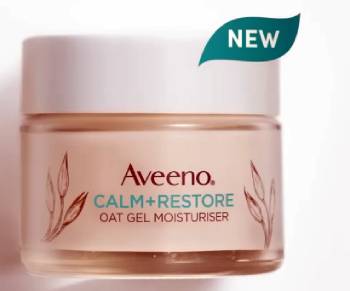
I eventually decided to try Aveeno Daily Moisturizing Lotion, the one with the green cap that everyone seems to own.
I am someone who pays attention to how a product feels over several hours, and I noticed that Aveeno felt much more like a “bandage” than a simple lotion.
I found that the texture was creamy and had a bit more weight to it, which was a bit of a shock compared to the fluid nature of Lubriderm.
I realized that Aveeno didn’t just make my skin feel wet; it made it feel “calm.”
I noticed that the itchy sensation on my legs disappeared within minutes and stayed away even after a long day of walking through the cold wind.
I finished my personal trial realizing that these two products aren’t actually competitors in my mind; they are tools for different jobs.
I found that Lubriderm is my “summer hero” when I want to feel fresh, light, and totally non-greasy.
I eventually relegated Aveeno to my “skin emergency” status for when I have shaved my legs or when the air is bone-dry and my skin needs that oatmeal barrier to stay intact.
I noticed that my skin health has never been better because I stopped asking one product to do everything.
I found that by alternating them based on the dew point outside, I achieved that perfectly balanced skin I’ve been chasing for a decade.
Pros and Cons of Aveeno
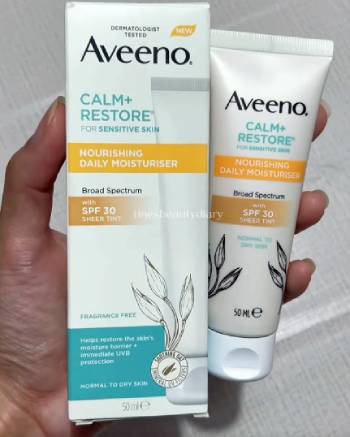
Pros of Aveeno
- Prebiotic Colloidal Oatmeal for Soothing: It features finely ground oats that act as a skin protectant: I found that this ingredient is a miracle for calming down redness and minor itches: this results in a balanced skin microbiome: I noticed a significant reduction in winter skin “scratchiness” after three days of use.
- Long-Lasting 24-Hour Hydration: It utilizes a formula that binds moisture to the skin for a full day: I found that my skin still felt “covered” even after a long flight: this provides a reliable shield against environmental stressors: I noticed it works exceptionally well on mature or thinning skin.
- Fragrance-Free and Hypoallergenic Options: It utilizes a clean approach that is perfect for sensitive individuals: I found that it never stings, even on freshly shaved skin: this provides a safe haven for those who react to common perfumes: I noticed it is the “gold standard” for people with mild eczema.
- Non-Greasy Velvet Finish: It features a unique texture that dries down into a soft, matte-like feel: I found that it makes the skin look healthy but not oily: this results in a sophisticated appearance for daily wear: I noticed it doesn’t leave those annoying shiny streaks on dark furniture.
- Widely Recommended by Specialists: It features a clinical backing that makes it a frequent flier in doctor’s offices: I found that I trust it more for actual skin health problems: this provides peace of mind for parents and those with severe allergies: I noticed the quality remains consistent across all their product lines.
Cons of Aveeno: The analytical drawbacks:
- Slightly Heavier “Film” Feeling: because the oatmeal and dimethicone create a protective barrier: I found that I could still feel the product on my skin hours later: this results in a sensation that some people might find “cloggy”: I noticed it takes a few more seconds of rubbing to disappear compared to water-based lotions.
- Higher Price Point Per Ounce: because the processing of prebiotic oats is more expensive than standard mineral oils: I found that a bottle of Aveeno often costs 20% more than Lubriderm: this provides a financial hurdle for families using large quantities: I noticed I have to be more mindful of how much I pump out each time.
- Potential for “Pilling” with Layering: because the oatmeal particles can sometimes clump if you use too much or layer it over other products: I found that it occasionally rolled off my skin when I tried to put sunscreen on top: this results in a messy application if you aren’t careful: I noticed it requires a very clean, dry base to bond correctly.
- Dull Packaging and Clinical Scent: because it focuses on function over “beauty” or luxury: I found the experience of using it to be a bit boring: this provides a lack of the “spa-like” feel that some users want from their morning routine: I noticed that even the “fragrance-free” version has a slight, bready oatmeal scent.
- Bottle Pump Issues with Thick Formula: because the lotion is quite dense, the pump sometimes struggles to get the last 15% of the product out: I found myself having to cut the bottle open to avoid waste: this results in a bit of a struggle at the end of the month: I noticed that storing the bottle upside down is necessary as it gets low.
Pros and Cons of Lubriderm
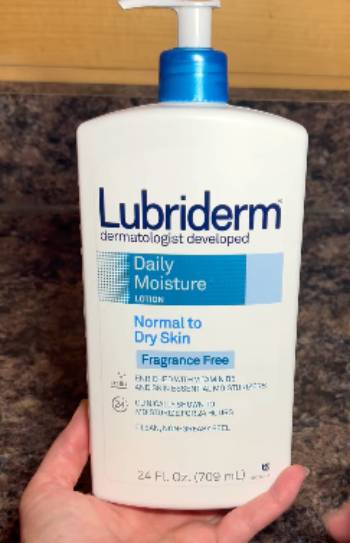
Pros of Lubriderm
- Superior Absorption for Busy Mornings: It features a lightweight pro-vitamin B5 formula that sinks in almost instantly: I found that it is the best option for people who hate the feeling of traditional lotion: this results in a silky, clean sensation that is perfect for summer: I noticed I could use my touch-screen devices immediately after applying it.
- Essential Lipids for Surface Softening: It utilizes a blend of vitamins naturally found in healthy skin: I found that it makes my skin feel incredibly soft to the touch without any “gunk”: this provides a natural-looking suppleness: I noticed it effectively eliminates “ashiness” on elbows and knees without looking shiny.
- Budget-Friendly Family Value: It offers massive pump bottles at a very competitive price: I found it easy to buy in bulk without overthinking the cost: this provides an accessible option for people who need to moisturize multiple times a day: I noticed the pump mechanism is very reliable and gets every drop.
- Clean and Fresh Sensory Profile: It features a very mild, “fresh laundry” scent in its original version: I found that it makes me feel clean after a morning workout: this results in a neutral base that won’t interfere with your perfume: I noticed the scent disappears quickly, leaving just soft skin behind.
- Zero Clogging for Body Acne: It utilizes a non-comedogenic formula that is very water-forward: I found that I could use it on my back and chest without getting breakouts: this results in a versatile all-over moisturizer: I noticed it is the best choice for teenagers or athletes who sweat a lot.
Cons of Lubriderm: The analytical drawbacks:
- Insufficient for Severe Itching or Irritation: because the formula lacks the active soothing agents found in oat-based creams: I found that it did nothing to calm my skin after a mild sunburn: this results in a need for a secondary “rescue” product: I noticed it is a “maintenance” tool, not a “healing” tool.
- Lacks the Barrier “Weight” Needed for Winter: because the lightweight nature of the lotion means it can evaporate or wear off in dry air: I found that my skin felt tight again by mid-afternoon: this provides a lack of true 24-hour protection: I noticed it works much better as a summer or spring moisturizer.
- Contains Parabens in Some Traditional Lines: because the brand sticks to older, time-tested preservation systems in certain formulas: I found that some ingredient-conscious users might avoid the label: this results in a lack of appeal for the “clean beauty” market: I noticed that while safe, the ingredient list is quite long.
- Not Ideal for Mature or Extremely Thin Skin: because it doesn’t provide the rich lipids and density needed to “plump” aging skin: I found that it didn’t do much for my grandmother’s very dry arms: this provides a limitation for geriatric skincare: I noticed it is better suited for younger, healthier skin barriers.
- Less Effective on Rough Keratosis Pilaris: because it lacks the heavy occlusives needed to soften stubborn skin bumps: I found that my “strawberry legs” didn’t improve with Lubriderm alone: this results in a need for a more specialized exfoliating lotion: I noticed it just coats the bumps rather than smoothing them.
Comparison with Others
- Aveeno Vs. Lubriderm Vs. CeraVe
I found that CeraVe is the modern heavyweight that I noticed focuses heavily on ceramides and hyaluronic acid.
You should realize that while Aveeno gives you soothing and Lubriderm gives you speed, CeraVe is about rebuilding the skin’s architecture.
I noticed that CeraVe is usually the most expensive of the three, which I found can be a deterrent for some.
I believe that if you have a broken skin barrier, CeraVe is the winner, but for daily maintenance, Lubriderm is more convenient.
I noticed that Aveeno still wins for those who specifically want a natural, oat-based approach to itching.
- Aveeno Vs. Lubriderm Vs. Eucerin
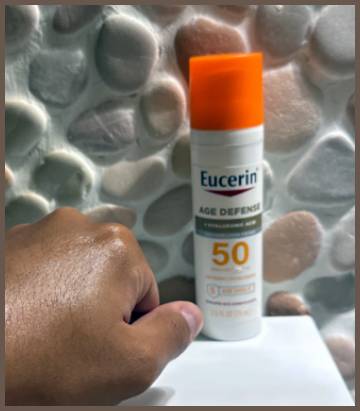
I found that Eucerin is the “heavy hitter” that I noticed is often used for actual medical conditions like psoriasis.
You should realize that Eucerin can be quite sticky and thick, which I found makes it hard to wear during the day.
I noticed that Lubriderm is much more elegant for daytime use, while Eucerin is better for overnight repair. I found that Aveeno is a better middle ground between these two extremes.
I believe that Eucerin is for those with “problem” skin, while Aveeno and Lubriderm are for those with “normal to dry” skin.
- Aveeno Vs. Lubriderm Vs. Cetaphil
I found that Cetaphil is often compared to Lubriderm because both are staples in traditional hospitals. You should realize that Cetaphil feels much more like a “cream” than a “lotion,” even in the pump bottle.
I noticed that Cetaphil lacks the oat-based soothing properties that make Aveeno so special for sensitive skin.
I found that Lubriderm is much faster to apply than Cetaphil, which I noticed can leave a bit of a white cast if not rubbed in.
I believe that Aveeno is the best choice for sensitivity, while Lubriderm is the best for a “weightless” feeling.
- Aveeno Vs. Lubriderm Vs. Vaseline Intensive Care
I found that Vaseline is the ultimate budget competitor that I noticed is available in almost every store on earth.
You should realize that Vaseline uses micro-droplets of jelly, while Aveeno uses the power of oats. I noticed that Vaseline’s texture is closer to Lubriderm, making it very easy to spread.
I found that Vaseline is surprisingly effective for the price, but I noticed it doesn’t have the clinical backing of Aveeno.
I believe that if you are watching your pennies, Vaseline is a great Lubriderm alternative, but it won’t replace Aveeno’s soothing.
- Aveeno Vs. Lubriderm Vs. Nivea
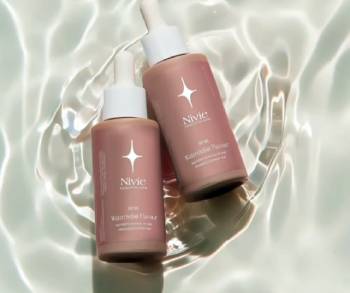
I found that Nivea is the European classic that I noticed has a very rich, almost “oily” consistency in its deep moisture line.
You should realize that Nivea is much closer to Aveeno in terms of thickness, but I found it has a much stronger fragrance.
I noticed that Lubriderm is much better for people who hate scents than Nivea. I found that Nivea is great for very dry skin, but I noticed it can feel even greasier than Aveeno.
I believe that Aveeno is still the superior choice for anyone with truly reactive or allergic skin.
Frequently Asked Questions (FAQs)
It depends on your goal; Lubriderm is better for a fast-absorbing, non-greasy daily feel, while Aveeno is superior for soothing itchy or sensitive skin.
Yes, it is a very common recommendation for patients who need a basic, non-comedogenic moisturizer that works for the whole family.
While ratings vary, CeraVe and Aveeno Daily Moisturizing Lotion consistently rank at the top of consumer and clinical charts for effectiveness.
Absolutely; it is one of the top-recommended brands specifically for patients with dry, sensitive skin or mild eczema due to its oat-based formula.
Final Thoughts
You should buy Lubriderm if you want a reliable, fast-absorbing daily lotion that won’t interfere with your busy schedule or your clothes.
I have found that after trying both extensively, I would recommend Aveeno to you if you are struggling with any kind of irritation, itching, or seasonal sensitivity.
I believe that for the average person, having a bottle of both is the smartest analytical move for a complete skincare routine in 2026.
I hope this helped you narrow down your search for the perfect hydration!