Finding a reliable home fitness solution can be a daunting task, especially when you are looking for the specific resistance and flow of a professional studio.
I have spent a significant amount of time testing various portable reformers to see which ones actually deliver on their promises of strength and flexibility.
In this article, I am providing an honest 28 Pilates Reformer review to help you understand why you should buy a more established, high-quality alternative instead of this specific model.
You deserve a piece of equipment that is durable and a digital platform that works seamlessly with your fitness goals every single day.
My Personal Journey with 28 Pilates Reformer
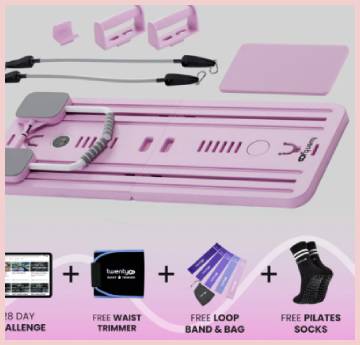
When I first decided to bring the studio experience into my living room, I was drawn to the 28 Pilates system because of its aggressive marketing and the promise of a structured 28-day challenge.
I placed my order with high hopes, but my experience began to sour almost as soon as the box arrived at my door.
Setting up the reformer board felt a bit clunky, and I immediately noticed that the construction didn’t feel as solid as I had anticipated for a piece of fitness equipment.
During my first few sessions, the “wonky” nature of the board became apparent; the carriage didn’t glide with the buttery smoothness you expect from a reformer.
Instead, there was a certain catch in the mechanism that made it difficult to maintain a fluid range of motion, which is the whole point of Pilates.
The community aspect of the program is actually quite lovely, and I found the other users to be incredibly supportive and encouraging during the more difficult workouts.
However, the technical side of the experience was a constant source of frustration for me.
The app crashed frequently during the middle of my sessions, often freezing my phone entirely by running too many processes in the background.
I found myself having to restart my device just to finish a twenty-minute core routine, which completely killed my momentum and focus.
There were also glaring issues with the pre-recorded videos where the AI audio wouldn’t sync with the movements on the screen.
It is hard to follow complex footwork when the voice in your ear is three seconds behind the person on the screen.
While the trainers themselves seemed competent and the program was well thought out, the hardware simply didn’t match the quality of the instruction.
I wanted to love this system because the community made me feel so welcome, but I couldn’t ignore the fact that the board felt like it needed much more research and development.
After using it for a few weeks, I started to notice small signs of wear and tear that shouldn’t happen so early in a product’s lifespan.
It became clear to me that while the 28-day challenge has helped many people lose weight and gain confidence, the physical reformer board itself is a weak link in the chain.
You find yourself worrying more about the stability of the equipment than the engagement of your muscles, which is a major red flag for any home gym setup.
Maintenance Tips for Your Home Pilates Equipment
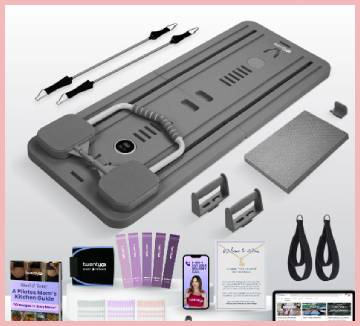
Keeping your reformer in top shape is essential for your safety and the longevity of the machine, especially when dealing with home-use models.
I suggest checking all the bolts and attachment points on your board at least once a week.
Because home reformers are often lighter and subject to more vibration, hardware can loosen over time, leading to that “wonky” feeling.
Cleaning the tracks is the most important maintenance task you can perform to ensure a smooth glide.
Dust and hair can quickly accumulate in the rollers, causing friction and potentially damaging the carriage mechanism.
Wipe down the rails with a dry microfiber cloth after every single session to keep them pristine.
For the upholstery, use a gentle, non-toxic cleaner to remove sweat and oils that can break down the material over time.
Avoid using harsh chemicals, as these can make the surface slippery and dangerous for your next workout.
If your machine uses springs, inspect them regularly for any signs of “gapping” or rust.
Springs are the heart of your resistance, and a failing spring can snap during a high-tension movement, which is a major safety hazard.
Lubricating the moving parts with a silicone-based spray can also help reduce noise and improve the fluidity of the carriage.
For the digital side of your maintenance, always ensure that your app is updated to the latest version to minimize crashes and sync issues.
Clearing the cache on your phone regularly can also help prevent the app from freezing your device during a session.
If you are using a foldable model, be careful when opening and closing the frame to avoid pinching the resistance cords or cables.
Proper storage in a dry, climate-controlled room will prevent the metal components from corroding and the plastic parts from becoming brittle.
Taking these small steps will help you get the most out of your equipment, even if it isn’t a professional studio model.
Regular maintenance is the only way to ensure that your home gym remains a safe space for your fitness journey.
Pros and Cons: An Analytical Breakdown
Choosing a fitness tool requires a balanced look at how the product serves your goals versus the potential frustrations it might cause during your routine.
I have analyzed the 28 Pilates system based on user feedback and mechanical performance to give you a clear picture.
Pros
- Community Support: The group environment is highly encouraging and helps users stay consistent with their daily workout goals.
- Effective Programs: The 28-day and 90-day challenges are well-structured and provide a clear path for those looking to lose weight or build stamina.
- Competent Trainers: The staff and instructors are knowledgeable and provide clear cues that make the exercises easy to follow.
- Positive Fitness Impact: Many users report significant improvements in their overall well-being and physical strength after completing the programs.
- Motivating Environment: Being part of a specific challenge creates a sense of accountability that is often missing in solo home workouts.
- Varied Content: The library of pre-recorded videos offers enough variety to keep the routine from becoming boring or repetitive.
- Supportive Staff: Customer service is generally regarded as helpful when dealing with account issues or program questions.
Cons
- Hardware Durability: The reformer board is often described as wonky or poorly constructed, with concerns about its long-term stability.
- App Instability: Users frequently experience crashes and glitches that can freeze their phones and interrupt the flow of a workout.
- Lack of RnD: The physical equipment feels like it needs more research and development to function as smoothly as a studio machine.
- Audio Sync Issues: The AI audio often fails to sync correctly with the video content, leading to confusion during complex movements.
- Navigation Difficulties: The platform’s user interface can be clunky and hard to navigate for some members looking for specific sessions.
- Quality Control: Some customers have reported hardware issues shortly after purchase, suggesting a lack of consistency in manufacturing.
- Performance Lag: The app is known to run heavily in the background, which can drain battery life and cause device performance to drop significantly.
Also Read: My Thoughts On Hip Hook Alternative
28 Pilates Reformer Vs. Other Brands
- 28 Pilates Reformer Vs. Merrithew SPX Reformer
The Merrithew SPX is a professional-grade machine that offers a level of stability and precision that 28 Pilates simply cannot match.
While the 28 Pilates board feels like a budget-friendly portable option, the Merrithew is built with high-quality aluminum and a patented rolling system.
I found that the tension on the Merrithew is much more consistent, allowing for a safer and more effective workout.
You are paying a premium for this brand, but the durability means you won’t be looking for a replacement after a few months.
The weight capacity and overall footprint are much larger, making it a better choice for serious practitioners who have a dedicated workout space.
- 28 Pilates Reformer Vs. Balanced Body Allegro
Balanced Body is arguably the gold standard in the industry, and the Allegro model is legendary for its versatility.
Compared to the 28 Pilates reformer, the Allegro feels like a tank; it is incredibly sturdy and handles high-intensity movements without any wobbling.
The footbar adjustments on the Allegro are intuitive and secure, whereas the 28 Pilates board feels limited in its customization.
I noticed that the springs on the Balanced Body machine provide a much more linear resistance, which is crucial for progressive overload.
If you want a machine that will last a lifetime, this is the direction you should take your investment.
- 28 Pilates Reformer Vs. AeroPilates Precision Series
AeroPilates offers a more affordable entry point for home users, much like 28 Pilates, but with a longer history of product testing.
The Precision Series includes a Cardio Rebounder, which adds a high-energy element that the 28 Pilates board lacks.
I found the frame of the AeroPilates to be more reliable over time, even though it is still considered a home-use model.
The glide on the AeroPilates is significantly smoother than the “wonky” experience reported with 28 Pilates.
It provides a more balanced middle ground for those who want a real reformer feel without spending thousands of dollars on studio equipment.
- 28 Pilates Reformer Vs. Peak Pilates Casa Reformer
The Peak Pilates Casa was designed specifically for home use but maintains the aesthetic and feel of a studio machine.
In comparison to 28 Pilates, the Casa model offers a higher elevation, which makes it much easier to get on and off for those with limited mobility.
The wood-and-metal construction of the Peak Pilates machine is far superior to the materials used in the 28 Pilates board.
I noticed that the alignment of the carriage is much truer, reducing the risk of joint strain during leg presses.
It is a beautiful piece of equipment that complements a home gym rather than looking like a plastic accessory.
- 28 Pilates Reformer Vs. Stamina Reformer
Stamina is a well-known brand for entry-level reformers that prioritize portability and ease of storage.
While 28 Pilates focuses heavily on its digital app and AI audio, Stamina focuses on the basics of a functional foldable frame.
I found that the Stamina models are generally more durable for daily use, even if they lack some of the modern bells and whistles.
The assembly process for Stamina is usually more straightforward, and their customer service has a more established track record for handling hardware defects.
If you need a budget-friendly option that actually works, Stamina provides a more consistent physical experience than the 28 Pilates reformer board.
Also Read: My Thoughts On Ab Doer 360
Frequently Asked Questions (FAQs)
Yes, 28 Pilates is a legitimate fitness company that provides digital workout programs and home equipment, though their hardware has received mixed reviews.
Balanced Body and Merrithew are widely considered the best brands for both studio and high-end home use due to their superior construction.
The challenge is effective for motivation and consistency, but the experience may be hindered by technical glitches and equipment quality issues.
Reformer Pilates is highly effective for building core strength, improving flexibility, and increasing muscular endurance through controlled resistance.
Final Thoughts
Choosing the right equipment is a critical step in your fitness journey, and your safety should always be the top priority.
While the community and training programs at 28 Pilates offer great motivation, the mechanical issues with the reformer board make it a risky investment.
I believe you are better off purchasing a more durable and established brand that offers a smoother, more reliable physical experience.
You deserve a reformer that stays stable under pressure and an app that works as hard as you do during every session.